

RESEARCH PLATFORM 01
GENORA®
Plant Biotechnology
Problems worth investigating
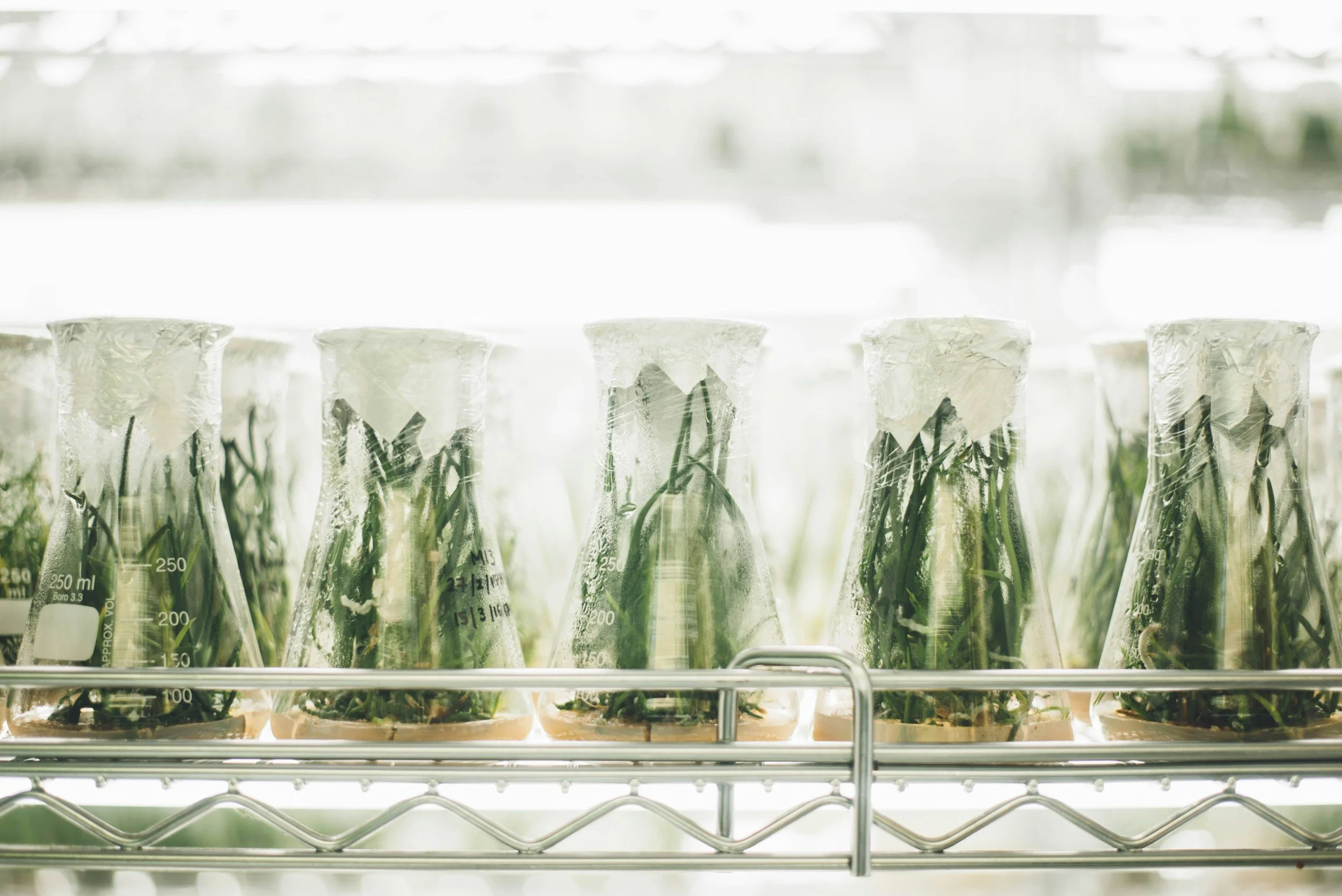
A botanical ingredient begins with a living source. Yet the identity, availability and chemical profile of that source can vary between plant lines, growing conditions and harvests. Propagation may also be difficult, particularly for rare or valuable species.
GENORA® explores how plant biotechnology could make these starting conditions better understood. Its research asks how selected plant lines can be reproduced, how their relevant characteristics can be assessed, and how cultivation knowledge could support future ingredient development for YOHOLIFE®.

RESEARCH POSSIBILITIESGENORA®6 research directions · 24 ideas
01Propagation conditions
Which culture approaches merit further study for reproducing selected plant material?
Culture-media design
How do nutrient and growth-regulator choices affect the response of selected plant material?
Shoot multiplication
Which shoot-culture approaches provide suitable material for comparative propagation studies?
Repeated subculture
How do growth responses and relevant characteristics change across successive culture cycles?
Explant selection
Which explant types merit comparison for initiating reproducible cultures of selected plant lines?
02Rooting and acclimatisation
What connects propagation in controlled culture with establishment under nursery conditions?
Root development
How do alternative rooting conditions affect root formation and plantlet development?
Nursery transition
Which acclimatisation approaches merit comparison when plantlets move out of controlled culture?
Growing environment
How do substrate, humidity and light conditions relate to establishment after culture?
Nursery readiness
Which measurable root and shoot characteristics help define when plantlets are ready for comparative nursery trials?
03Identity and chemical profiles
How can source identity and chemical variation be assessed as distinct, complementary questions?
Source identification
Which botanical records and suitable DNA markers help evaluate the identity of selected material?
HPLC fingerprints
How do method-defined chemical fingerprints vary among selected plant lines and samples?
Cultivation effects
How do growing conditions and sampling stages relate to changes in relevant chemical profiles?
Sampling consistency
How do matched plant parts, collection stages and replicate samples affect the interpretation of chemical differences between plant lines?
04Cultivated biomass and use
Which cultivation and material characteristics matter to future processing and ingredient development?
Biomass development
How do cultivation choices affect the amount and characteristics of material available for research?
Post-harvest handling
How do drying and storage conditions relate to the chemical profile of collected material?
Extraction suitability
Which source characteristics align with defined extraction and future ingredient requirements?
Pilot cultivation design
Which replicated growing trials help distinguish plant-line effects from differences in cultivation conditions?
05Germplasm stewardship
How can selected plant material be documented, maintained and recovered for future research without assuming that one storage method suits every line?
Reference-line records
What provenance, accession and culture-history records would support responsible use and future recovery of selected plant lines?
Slow-growth storage
How do reduced temperature or adjusted culture media affect viability during storage and subsequent regrowth?
Cryopreservation feasibility
Which cryoprotective treatments merit testing for survival and regrowth of selected shoot tips after liquid-nitrogen storage?
Recovery verification
Which viability, regrowth and identity checks would be needed before recovered material re-enters propagation studies?
06Cellular systems and metabolism
Which plant-cell culture systems could help investigate growth and metabolite formation separately from whole-plant cultivation?
Callus culture initiation
How do explant choice and auxin–cytokinin balance affect callus formation, growth and measured chemical profiles?
Cell suspension systems
Which culture conditions support dispersed cell growth, and how do suspension profiles compare with the originating callus?
Elicitor responses
How do methyl jasmonate dose and exposure time alter cell growth and selected metabolite profiles relative to untreated cultures?
Growth–metabolite balance
How do biomass growth and selected metabolite profiles change over a culture cycle, measured with dry mass and chromatography?
These are possible starting points for exploration. We welcome further ideas, research questions and perspectives from academia and industry.
Share an idea with YOHOLIFE® LAB
Explore the possibilities
Open the platform, choose a research direction, then expand an idea to explore the question behind it. These are possibilities for investigation, shaped by evidence and collaboration.

A research example
Select a stage to examine the approach, the question and the evidence that could guide the next step.
01Define the sourceExplore this stage
- Research approach
- Set the plant and research question; document provenance and select suitable botanical and identity checks.
- Question to investigate
- Is the selected plant material sufficiently identified and documented for a meaningful propagation comparison?
- Evidence for the next step
- Provenance records and suitable botanical or molecular identity checks would provide a traceable basis for culture comparisons.
Next · Compare culture routes
02Compare culture routesExplore this stage
- Research approach
- Compare culture media and propagation approaches, recording growth responses and conditions for reproducibility studies.
- Question to investigate
- Which culture conditions merit further study based on plant response and consistency across repeated culture cycles?
- Evidence for the next step
- Comparative growth and multiplication records, with documented culture conditions, would help select candidates for rooting studies.
Next · Study rooting
03Study rootingExplore this stage
- Research approach
- Assess root development and plantlet characteristics under defined rooting conditions before nursery transition.
- Question to investigate
- Which rooting conditions produce plantlets suitable for evaluating a transition to nursery conditions?
- Evidence for the next step
- Observed root formation and plantlet characteristics under defined conditions would guide the design of nursery transition trials.
Next · Evaluate acclimatisation
04Evaluate acclimatisationExplore this stage
- Research approach
- Compare transition and nursery conditions, documenting establishment and the practical constraints affecting continued growth.
- Question to investigate
- How do substrate, humidity and light choices affect establishment after plantlets leave controlled culture?
- Evidence for the next step
- Comparative establishment and continued-growth observations would identify nursery conditions and practical constraints to examine in cultivation trials.
Next · Characterise grown material
05Characterise grown materialExplore this stage
- Research approach
- Connect source records and cultivation observations with biomass assessment and method-defined chromatographic fingerprints.
- Question to investigate
- How do biomass characteristics and chemical fingerprints vary across documented cultivation conditions and sampling stages?
- Evidence for the next step
- Source-linked biomass assessments and method-defined fingerprints would support material comparisons, with plant identity assessed separately.
Next · Assess future translation
06Assess future translationExplore this stage
- Research approach
- Review reproducibility and downstream suitability to identify cultivation trials or processing studies that merit further development.
- Question to investigate
- Which cultivation or processing questions merit further development based on reproducibility and material suitability?
- Evidence for the next step
- Repeated cultivation observations and downstream material evaluations would help identify justified next studies and remaining uncertainties.
Review the evidence · refine the research direction
Conceptual research pathway. Progress between stages depends on comparative evidence and plant-specific requirements. Source identity and chemical consistency require separate assessment.
Clonora®
Clonora® is an example research pipeline within GENORA®, exploring propagation of rare and valued plant resources. The proposed route connects documented plant identity with culture comparisons, nursery establishment and chemical-profile assessment. It asks which findings justify further cultivation and processing studies for YOHOLIFE® ingredient development.
Conceptual research pathway. Progress between stages depends on comparative evidence and plant-specific requirements. Source identity and chemical consistency require separate assessment.
Potential value for industry and society
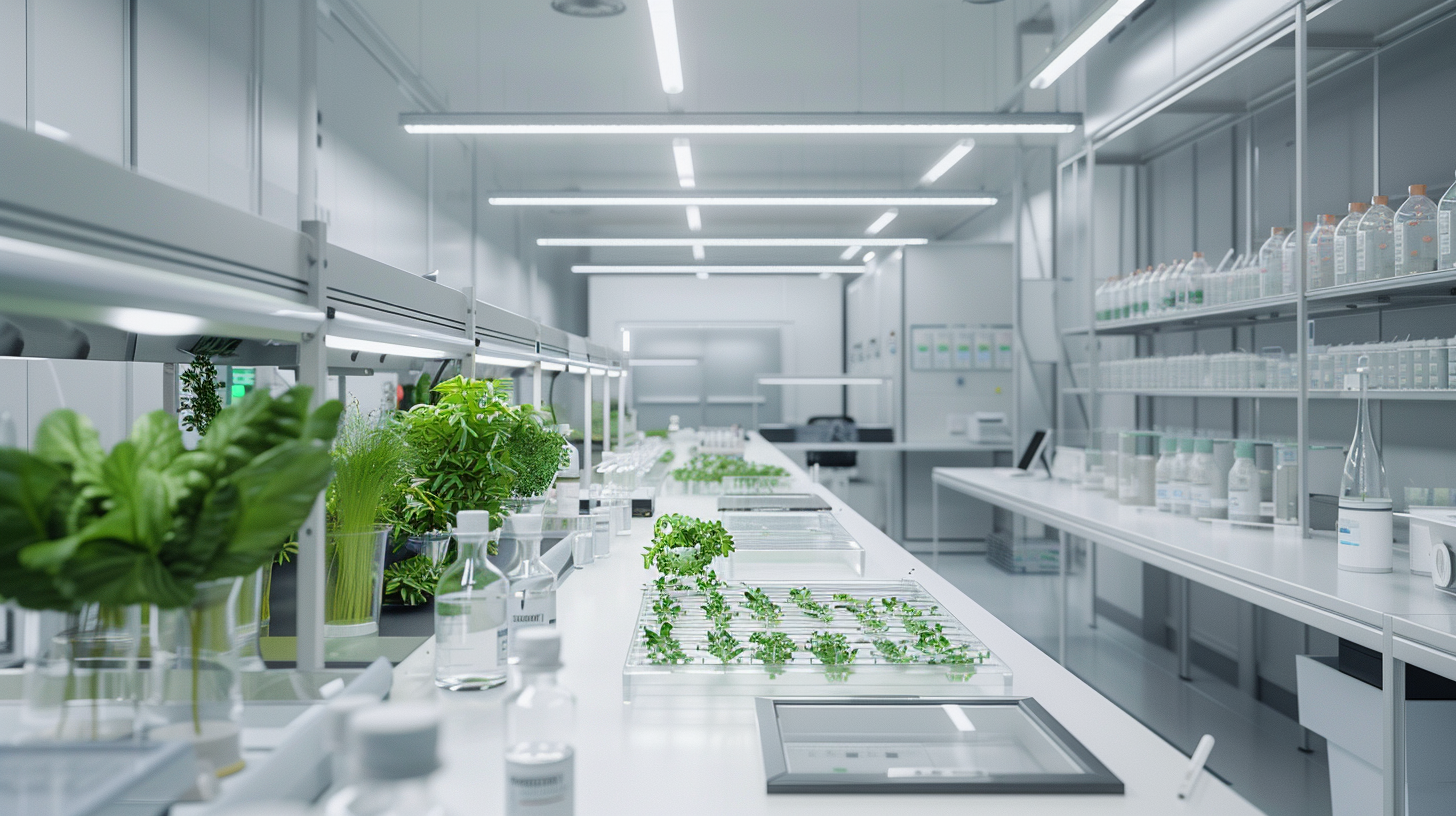
Plant biotechnology connects the stewardship of valued plant resources with cultivation and ingredient development. GENORA® explores how that connection can inform practical decisions across research and industry.
Cultivated sourcing possibilities. Documented propagation and establishment studies can help assess viable alternatives to wild collection for a defined plant.
More meaningful source comparisons. Identity records and chemical fingerprints provide complementary evidence for evaluating material against development needs.
Knowledge for growers and researchers. Culture-to-nursery findings can guide further cultivation trials and cooperation with growers.
Technology development for YOHOLIFE®. Reproducible observations can inform future sourcing, processing and production decisions.
From exploration to a future process
A future development programme would begin with a defined plant and research question, compare possible propagation approaches, and assess the resulting material against agreed characteristics. The outcome may be a promising route, a limitation that needs further work, or evidence that a different approach is required.
Moving towards production would require cultivation trials, reproducibility checks and assessment of practical constraints. GENORA® is intended to build the knowledge that supports those decisions, helping YOHOLIFE® explore technology before committing to a production route.

Explore together
We welcome ideas from plant scientists, cultivation specialists, analytical researchers and industry partners. Bring a plant-source question, propagation challenge or proposed comparative study, with any relevant background and evidence.
Research questions linking source characteristics with processing can also connect with EXTRAX®.